

Who Is Responsible for Slip and Fall Accidents on Icy Sidewalks: The City or the Homeowner?
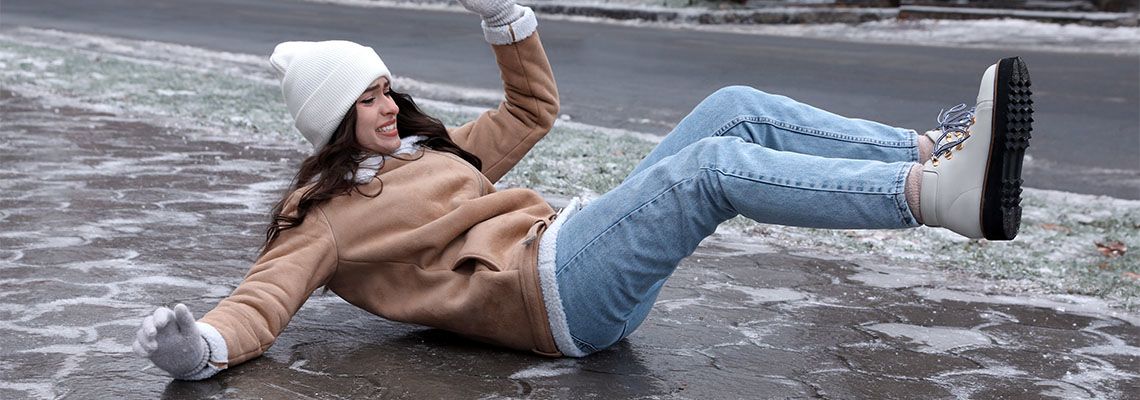
Winter storms can turn ordinary sidewalks into slick hazards in minutes. One moment you’re heading to work or walking the dog, and the next you’re on the ground in pain, wondering how a simple trip outside ended with an ambulance ride or urgent care visit.
These falls often bring more than bruises. Broken bones, head injuries, and weeks away from work can follow, along with medical bills that arrive long before answers about who should pay.
At The Law Offices of Gold, Albanese, Barletti LLC, we speak with people every winter who are left shaken after slipping on ice-covered walkways. Our firm helps residents across Morristown, New Jersey, New York, New York, and Boston, Massachusetts, pursue accountability after serious falls.
A personal injury attorney from our office can review the facts and discuss available options. If you were injured on an icy sidewalk, contact us to discuss the situation and next steps.
How Liability Works For Icy Sidewalk Falls In New Jersey
New Jersey law treats slip and fall cases as part of premises liability, meaning responsibility often depends on who controlled the property where the injury occurred. That could be a private homeowner, a business owner, a landlord, or in some cases a municipal entity.
Courts look closely at whether the responsible party knew—or should’ve known—about the icy condition and failed to act within a reasonable time. Snowstorms don’t instantly create liability, but ignoring hazardous conditions after a storm can lead to claims in personal injury attorney–led cases.
In many disputes, judges and insurers evaluate:
Who owned or maintained the sidewalk
Whether snow and ice removal duties existed
How long the icy condition remained
Whether warnings or barriers were posted
If the injured person acted with reasonable care
These questions help determine whether a homeowner, commercial property owner, or city agency may be held responsible. Because public entities follow different rules from private owners, the answer isn’t always straightforward, which is why many people consult a personal injury attorney for clarity.
When A Homeowner May Be Responsible
Private homeowners generally don’t owe pedestrians the same duties as commercial property owners when it comes to clearing sidewalks. Residential owners often avoid liability unless they worsened the conditions, such as piling snow where it later refroze into ice.
That said, some situations can still point toward homeowner responsibility. Before reviewing examples, it helps to know that each case turns on facts such as location, timing, and the actions taken after the storm.
Situations that may involve homeowner responsibility include:
Creating icy patches through shoveling: Moving snow across walkways where meltwater refroze
Neglecting after partial clearing: Leaving packed snow that hardened into slick ice
Broken drainage systems: Allowing runoff to freeze across pedestrian paths
Failure to warn guests: Not alerting visitors to known hazards
These scenarios often arise in conversations with a personal injury attorney, particularly when injuries occur on residential blocks rather than near storefronts.
Once those points are considered, investigators typically shift focus to other potential parties. Utility companies, landlords, or contractors hired for snow removal may share blame depending on who was responsible for maintenance at the time.
When Cities Or Municipalities May Face Claims
Falls on sidewalks adjacent to public buildings, parks, or government-owned properties are subject to different rules. Municipal entities in New Jersey can face claims, but strict notice deadlines and procedural requirements apply.
If you suspect a city bears responsibility, acting quickly matters. A personal injury attorney often reviews whether the fall site sat on municipal land and whether the city had a reasonable chance to correct icy conditions before the incident.
Before listing common municipal issues, remember that public agencies may argue they lacked notice or time to respond during severe storms. Circumstances that may involve municipal responsibility include:
Delayed snow and ice removal: Leaving main walkways untreated long after storms ended
Ignored complaints: Failing to respond after residents reported hazards
Defective sidewalk surfaces: Cracks or dips that collected freezing water
Poor drainage design: Allowing runoff to refreeze repeatedly
These cases also involve filing special notices under state law, sometimes within weeks of the injury. Missing that step can block recovery entirely, which is why contacting a personal injury attorney soon after a fall can make a real difference.
After evaluating municipal factors, the focus usually returns to evidence, including maintenance logs, weather records, and photographs showing conditions at the scene.
What To Do After Slipping On An Icy Sidewalk
A sudden fall can leave you stunned and unsure what to do first. Even if embarrassment tempts you to brush it off, seeking care and gathering information early can protect both your health and any future claim handled by a personal injury attorney.
Before reviewing specific actions, it’s worth noting that injuries from cold-weather falls sometimes worsen hours later, particularly head or back trauma. Helpful steps to take after an icy sidewalk fall include:
Get medical attention: Call for help or visit urgent care as soon as possible
Document the scene: Take photos of ice, snow piles, lighting, and nearby properties
Collect witness information: Ask bystanders for names and contact details
Report the incident: Notify property owners or municipal departments
Preserve clothing and footwear: Keep shoes and coats worn at the time
Write down details: Record weather conditions and what you remember
Once those basics are handled, avoid rushing through insurance calls without guidance. Statements made early can affect later arguments about fault or the severity of injury, which is another reason people consult a personal injury attorney before proceeding.
Keeping a journal about pain levels, missed workdays, and medical visits can also help show how the fall disrupted your life. It can also refresh your memory months later if questions arise about how your injuries affected your daily routines, mobility, or your ability to earn a living.
Speak With an Experienced Personal Injury Attorney Today
At The Law Offices of Gold, Albanese, Barletti LLC, we assist clients in Morristown, New Jersey, and people throughout New Jersey, New York, and Boston, Massachusetts. If an icy sidewalk caused serious harm, an experienced personal injury attorney from our firm can review what happened and explain potential next steps. Call us today.